Arabic is one of the world’s most widely spoken languages and an important language for business, culture, education, media, and international communication.
From the Gulf region to North Africa, Arabic is spoken by hundreds of millions of people. For businesses operating internationally, understanding where Arabic is widely spoken can be extremely useful—especially when entering new markets or communicating with Arabic-speaking customers.
For companies working with Arabic documents, websites, business materials, certificates, or other content, professional translation can also make communication much easier.
Arabic is one of the world’s most widely spoken languages and has an important role in international communication. It is also one of the six official languages of the United Nations. Arabic as an official UN language-UN Nations
In this article, we explore 5 major Arabic-speaking countries in the world, what makes each market important, and why Arabic translation continues to play an important role in international business.
What Is Arabic-Speaking Countries?
Arabic is spoken across a large geographic area known as the Arab world.
Arabic is an official language in numerous countries across the Middle East and North Africa. Although these countries share Arabic as an official language, the way people speak Arabic can vary considerably from one country to another.
Modern Standard Arabic is commonly used in formal communication, media, education, official documents, and many professional situations.
At the same time, people use different local Arabic dialects in everyday conversations.
This distinction is important for businesses.
If you are preparing formal documents, business information, websites, or official communications, the translation should be appropriate for the intended audience and purpose.
1. Egypt
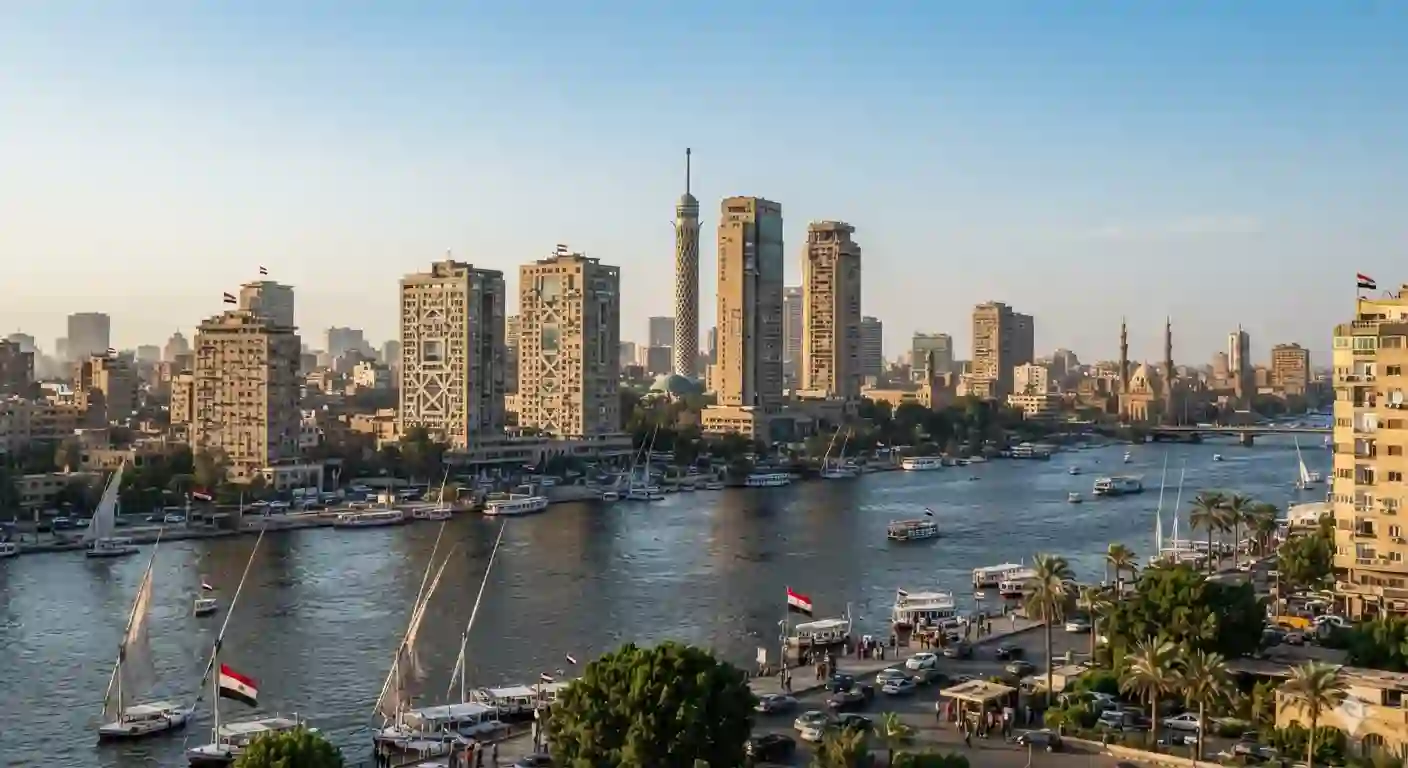
Egypt is one of the most important Arabic-speaking countries in the world and has one of the largest Arabic-speaking populations.
Located in North Africa, Egypt has played an important role in Arab culture, education, entertainment, media, and history for centuries.
Cairo, the capital, is one of the largest cities in the Arab world and an important center for business, education, media, and culture.
Why Is Egypt Important?
Egypt has a large domestic market and a significant population of Arabic speakers.
The country is also well known for:
- Education
- Tourism
- Media
- Film and television
- Manufacturing
- Agriculture
- Construction
- Trade
- Financial services
- Technology
Arabic is widely used throughout daily life, business, education, and government.
For international companies working with Egyptian customers or businesses, Arabic communication can be an important part of their strategy.
Egyptian Arabic
Egyptian Arabic is one of the most widely recognized Arabic dialects because of Egypt’s influential film, television, and music industries.
However, businesses should distinguish between everyday Egyptian Arabic and Modern Standard Arabic.
For formal documents and professional communication, Modern Standard Arabic is often more appropriate depending on the purpose and audience.
2. Algeria
Algeria is another major Arabic-speaking country and the largest country in Africa by land area.
Located in North Africa, Algeria has a diverse linguistic and cultural environment.
Arabic plays an important role in national life, while other languages and regional varieties are also used by different communities.
Why Is Algeria Important?
Algeria has significant economic activity in areas such as:
- Energy
- Oil and gas
- Manufacturing
- Construction
- Agriculture
- Telecommunications
- Trade
- Infrastructure
Businesses working with Algerian companies may need Arabic documentation and communication for different commercial purposes.
Arabic in Algeria
Algerian Arabic, often referred to as Algerian Darija, is widely used in everyday communication.
Modern Standard Arabic is also important in formal and institutional contexts.
For businesses preparing documents for Arabic-speaking audiences, understanding the purpose of the translation is important.
A marketing campaign, for example, may require a different linguistic approach from a formal business document.
3. Sudan
Sudan is another significant Arabic-speaking country in Africa.
Arabic is widely used across the country, although Sudan has a rich multilingual environment with numerous languages spoken by different communities.
Khartoum has historically been an important center for government, business, education, and commerce.
Arabic and Business in Sudan
Arabic is important in communication across many areas, including:
- Business
- Government
- Education
- Media
- Commerce
- Social communication
Companies working with Sudanese businesses may therefore require Arabic versions of business documents and other materials.
These can include:
- Company profiles
- Business correspondence
- Reports
- Product information
- Marketing materials
- Educational documents
- Commercial documents
As with other Arabic-speaking markets, the appropriate style depends on the document and intended audience.

4. Saudi Arabia
Saudi Arabia is one of the most important Arabic-speaking countries in the Middle East and has enormous importance for regional and international business.
Riyadh is the country’s capital and a major center for business, finance, technology, investment, and government.
Other major cities such as Jeddah, Dammam, and Mecca also play important economic and cultural roles.
Why Is Saudi Arabia Important for Businesses?
Saudi Arabia has a large and growing economy with business activity across many sectors.
These include:
- Energy
- Construction
- Real estate
- Technology
- Tourism
- Finance
- Manufacturing
- Healthcare
- Retail
- Logistics
The country’s economic diversification has also created opportunities for international businesses.
Companies entering the Saudi market may need Arabic versions of their business materials to communicate effectively with local audiences.
Arabic in Saudi Arabia
Arabic is the primary language used in everyday communication and is highly important in formal and professional environments.
Businesses may require Arabic translation for:
- Company information
- Product documentation
- Websites
- Marketing materials
- Business correspondence
- Technical documentation
- Commercial materials
Professional translation can help international companies communicate their information clearly to Arabic-speaking customers and business partners.
5. United Arab Emirates
The United Arab Emirates (UAE) is one of the most internationally connected Arabic-speaking countries in the world.
Dubai and Abu Dhabi have become major global destinations for business, tourism, finance, real estate, technology, logistics, and international investment.
The UAE’s highly international population means that many languages are used every day. However, Arabic remains the country’s official language and plays an important role in government, business, culture, and formal communication.
Why Is the UAE Important?
The UAE has developed into a major international business hub.
Dubai in particular attracts companies and investors from:
- China
- India
- Pakistan
- Europe
- Africa
- Southeast Asia
- North America
- The Middle East
This international business environment creates a constant need for multilingual communication.
Arabic Translation in Dubai
Businesses operating in Dubai may need Arabic translations for many types of content.
These can include:
- Business documents
- Company profiles
- Websites
- Marketing materials
- Product information
- Technical documents
- Educational documents
- Certificates
- Commercial documents
- Correspondence
If you are looking for professional translation services in Dubai, Dar Al Bayan provides translation solutions for different languages and document types.
You can also explore our supported languages to see the languages available for translation services.

Why Arabic Is Important for International Businesses
Arabic is not only a language of everyday communication.
It is also important for companies that want to build relationships with customers and business partners across Arabic-speaking markets.
A company may have excellent products and services, but if its information is difficult for customers to understand, communication can become a challenge.
This is why businesses often translate their:
- Websites
- Brochures
- Product catalogs
- Business profiles
- Marketing campaigns
- Technical documents
- Customer information
- Commercial materials
A well-translated document can make a business appear more professional and accessible.
Arabic Translation for Businesses in Dubai
Dubai is particularly interesting because businesses from around the world operate here.
A Chinese company may need Chinese-to-Arabic translation.
A European company may need English-to-Arabic translation.
A multinational company may need several languages for different markets.
This creates demand for both professional and official translation services.
At Dar Al Bayan, translation requirements are assessed according to the language pair, document type, and intended use.
For Arabic-English and English-Arabic legal translation, Dar Al Bayan provides its applicable MOJ-certified legal translation services.
For other language pairs, such as Chinese to Arabic, services are provided as professional or official translation, depending on the document and its intended use.
Arabic Translation for Chinese Businesses
The UAE has strong commercial connections with China.
Chinese businesses operating in Dubai may need Arabic versions of:
- Company profiles
- Product catalogs
- Product descriptions
- Websites
- Brochures
- Technical documentation
- Commercial documents
- Marketing materials
If your business needs Chinese to Arabic translation in Dubai, the translation should be prepared according to the purpose of the document and the intended Arabic-speaking audience.
For example, a product catalog requires different treatment from a company profile, while technical documentation requires careful terminology management.
Arabic Translation for Companies Entering the UAE Market
Entering a new market involves more than opening an office.
Companies need to communicate with customers, suppliers, partners, employees, and other stakeholders.
Arabic content can help businesses communicate with Arabic-speaking audiences in the UAE.
Depending on the business, translation may be required for:
Company Website
An Arabic version can make website information more accessible to Arabic-speaking visitors.
Product Information
Arabic product descriptions can help customers understand features and specifications.
Marketing Materials
Brochures, advertisements, and promotional materials can be translated for local audiences.
Business Documents
Companies may need Arabic versions of relevant documents for business communication.
Technical Documents
Manufacturers and engineering companies may need Arabic manuals, specifications, and technical information.
Modern Standard Arabic vs Arabic Dialects
One of the most important things to understand about Arabic is that there is no single everyday spoken form used identically across every country.
Arabic-speaking countries have different dialects.
Examples include:
- Egyptian Arabic
- Gulf Arabic
- Saudi Arabic
- Emirati Arabic
- Levantine Arabic
- Iraqi Arabic
- Moroccan Arabic
- Algerian Arabic
- Sudanese Arabic
For formal written communication, Modern Standard Arabic (MSA) is widely used.
Businesses should choose the appropriate language style based on the document and target audience.
For example, an official document may require formal Arabic, while an advertising campaign aimed at consumers may use a more localized style.
Why Professional Arabic Translation Matters
Machine translation tools can be useful for understanding the general meaning of simple text.
However, professional documents often require greater attention.
A professional translator considers:
- Context
- Terminology
- Grammar
- Meaning
- Audience
- Formatting
- Cultural considerations
This becomes especially important for business, technical, financial, educational, and other specialized documents.
A poor translation can create confusion and may negatively affect how customers perceive a company.
A well-prepared translation, on the other hand, can help present the company in a professional way.

Arabic Translation for Websites and Digital Businesses
Businesses today are not limited to physical offices.
Websites, e-commerce stores, social media platforms, and digital marketing have made it possible to reach customers across borders.
Arabic website translation can help businesses communicate with Arabic-speaking audiences.
Important website elements can include:
- Homepage
- About Us
- Services
- Products
- Product descriptions
- FAQs
- Contact page
- Blog posts
- Terms and information pages
However, translating a website is not simply about converting every sentence into Arabic.
The content should also remain natural, readable, and suitable for the intended audience.
Arabic Translation for Technical Documents
Technical businesses often need accurate terminology.
For example, a Chinese manufacturer selling machinery in the UAE may need Arabic versions of:
- Installation manuals
- Operation manuals
- Maintenance instructions
- Product specifications
- Technical brochures
- Equipment information
Likewise, engineering companies may require Arabic technical documents for their projects.
If your business needs technical document translation, you can learn more about our technical translation services in Dubai.
Arabic Translation for Business Documents
Businesses may need translation for a wide range of documents.
Common examples include:
- Company profiles
- Business letters
- Commercial correspondence
- Reports
- Presentations
- Agreements
- Product documents
- Financial documents
- Marketing materials
The exact translation approach depends on the content and intended use.
For businesses requiring accounting-related translation, Dar Al Bayan also provides accounting and auditing translation services.
How to Choose an Arabic Translation Service in Dubai
Choosing a translation company is an important decision.
Before sending your documents, consider the following.
Check the Language Pair
Make sure the company provides the exact language combination you require.
For example:
Chinese → Arabic
is different from:
Arabic → Chinese
The source and target language should be clearly confirmed.
Explain the Purpose
Tell the translation provider how the document will be used.
Is it for:
- Business communication?
- Marketing?
- A website?
- Technical use?
- Education?
- An official purpose?
This information can help determine the appropriate translation approach.
Ask About Formatting
If your document contains tables, charts, images, or complex formatting, mention this before the project starts.
Consider Turnaround Time
If you have a deadline, tell the translation company in advance.
Review the Final Document
Before using the translation, check names, numbers, dates, company information, and other important details.
Arabic Translation and Dubai’s Multilingual Business Environment
Dubai’s international business environment means multilingual communication is now part of everyday business.
A single company may communicate with:
- Chinese suppliers
- Arabic-speaking customers
- English-speaking partners
- Indian employees
- European investors
- African distributors
Translation can help connect these different groups.
For companies that want to grow internationally, language should not become a barrier to communication.
Instead, it can become an opportunity to reach new customers and markets.
Frequently Asked Questions
Which countries speak Arabic?
Arabic is spoken widely across the Middle East and North Africa. Major Arabic-speaking countries include Egypt, Algeria, Sudan, Saudi Arabia, the United Arab Emirates, Iraq, Morocco, Syria, Jordan, Tunisia, Libya, and others.
Which country has the most Arabic speakers?
Egypt has one of the world’s largest populations of Arabic speakers. Population rankings can vary depending on whether the measurement considers native speakers, total speakers, or population size.
Is Arabic the same in every country?
No. Arabic has many regional dialects. Spoken Arabic can differ significantly between countries, while Modern Standard Arabic is widely used in formal written contexts.
Is Arabic important for business in Dubai?
Yes. Arabic is the official language of the UAE and remains important for formal communication, local audiences, government-related communication, and business activities.
Do businesses in Dubai need Arabic translation?
It depends on the business and the purpose of the documents. Companies may choose Arabic translation for websites, marketing materials, product information, business documents, technical materials, and other content.
What is Modern Standard Arabic?
Modern Standard Arabic is the formal written variety of Arabic commonly used in areas such as formal communication, media, education, and official contexts.
Can Chinese documents be translated into Arabic in Dubai?
Yes. Chinese documents can be professionally translated into Arabic depending on the document type and intended use.
Can websites be translated from English into Arabic?
Yes. Website content can be translated into Arabic, including company information, services, products, FAQs, and other website content.
Why should businesses use professional translation?
Professional translation can help improve accuracy, readability, terminology consistency, and communication with the intended audience.
Where can I get translation services in Dubai?
Dar Al Bayan provides professional translation services in Dubai for different languages and document types. The appropriate service depends on the source language, target language, document, and intended use.
Final Thoughts
Arabic connects a large and diverse group of countries across the Middle East and North Africa.
Countries such as Egypt, Algeria, Sudan, Saudi Arabia, and the United Arab Emirates have large Arabic-speaking populations and play important roles in their respective regions.
For international companies, Arabic is more than simply another language.
It can be an important part of communicating with customers, business partners, suppliers, and local audiences.
Dubai is especially significant because it brings companies and people from around the world together.
If your business needs Arabic translation for documents, websites, product information, technical materials, business content, or other projects, choosing the right language pair and translation approach is essential.
At Dar Al Bayan, we help businesses and individuals with professional translation requirements in Dubai.
For Arabic-English and English-Arabic legal translation, our applicable services include MOJ-certified legal translation.
For other language combinations, we provide professional and official translation services according to the document and its intended purpose.
If you need help translating your documents into Arabic, send us your requirements and let us help you choose the appropriate translation service for your project.